Research Areas

Core Research

CAMP Lab conducts active research in 4 core areas based on AI and computational science.

Battery

Battery

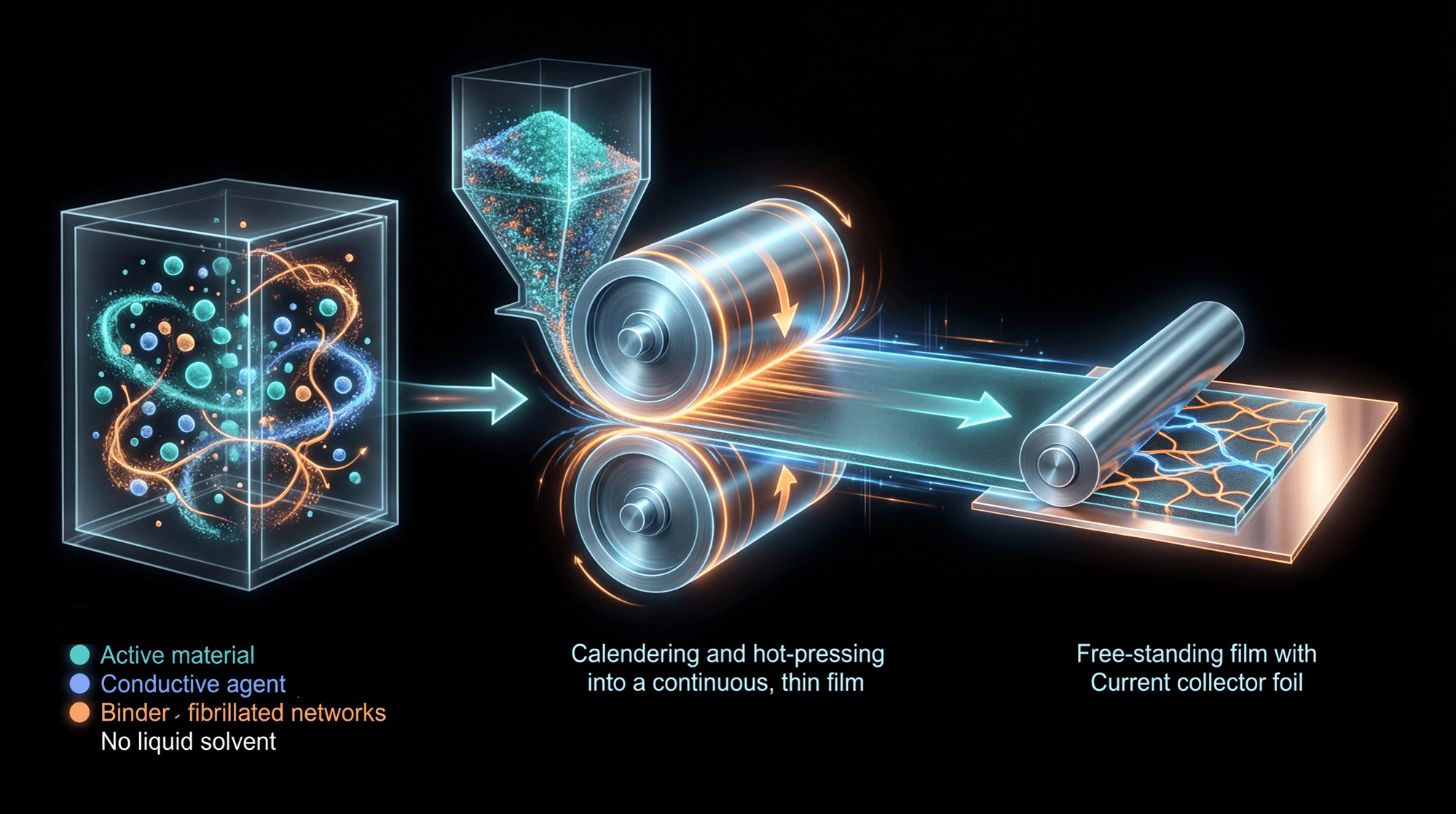
We design electrode and electrolyte materials for Li-ion, Na-ion, and all-solid-state batteries. Our research covers dry electrode processing, Li metal protection layers, artificial SEI, anode-free cells, and next-gen battery technologies combining first-principles calculations with machine learning.

Li MetalAll-Solid-StateNa-ionElectrode ProcessingAnode-free
Catalyst

Catalyst

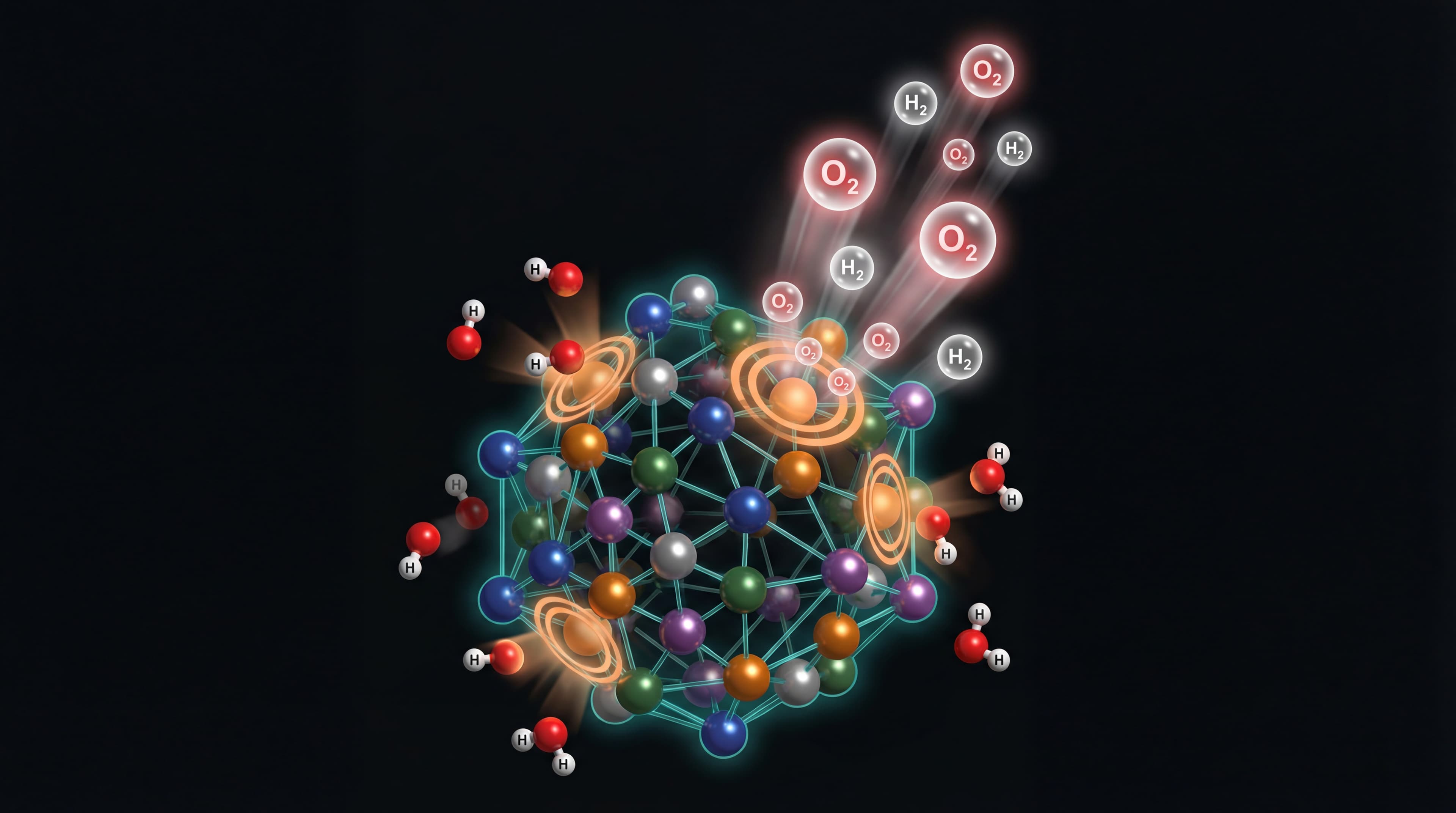
We develop high-efficiency electrocatalysts for water splitting and catalytic materials for lithium-sulfur batteries. Our work covers high entropy alloys (HEA), metal-organic frameworks (MOF), and transition metal chalcogenide-based catalyst design.

HEAOERWater SplittingMOFLi-S
Semiconductor

Semiconductor

We research chemical mechanical planarization (CMP) technology, a critical semiconductor process. Our work covers SiO₂ nanoparticle slurry design, Cu/Ru barrier galvanic corrosion inhibition, and next-gen semiconductor process materials.

CMPSiO₂Cu/RuMoO₃Semiconductor Process
Nanomaterials

Nanomaterials

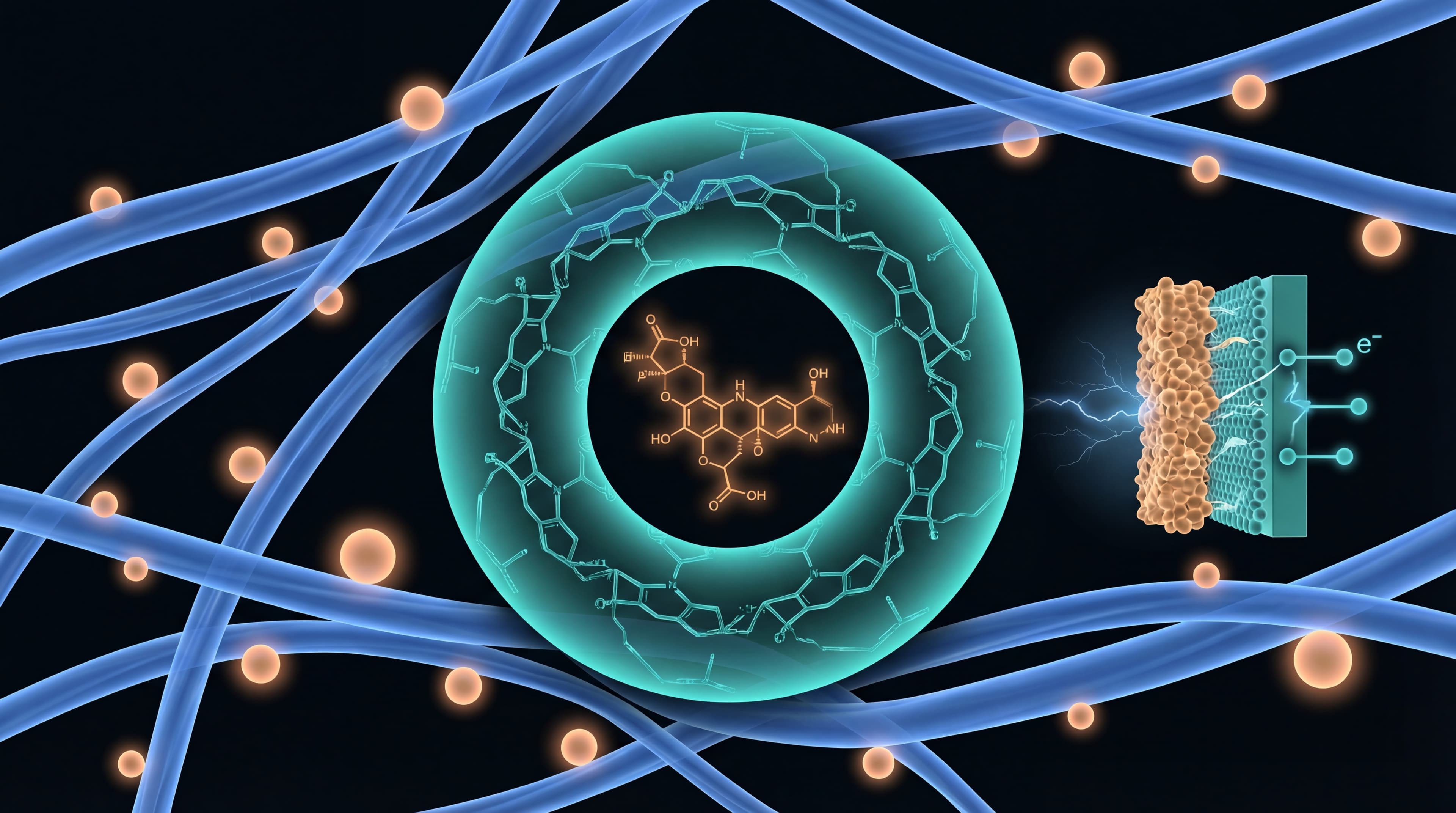
We synthesize and characterize various nanomaterials including cyclodextrin-based supramolecular nanostructures, functional nanoparticles, and electrospun nanofibers for biosensors, antimicrobial, and drug delivery applications.

CyclodextrinNanoparticleNanofiberBiosensorSupramolecular
Solar Cell

Solar Cell

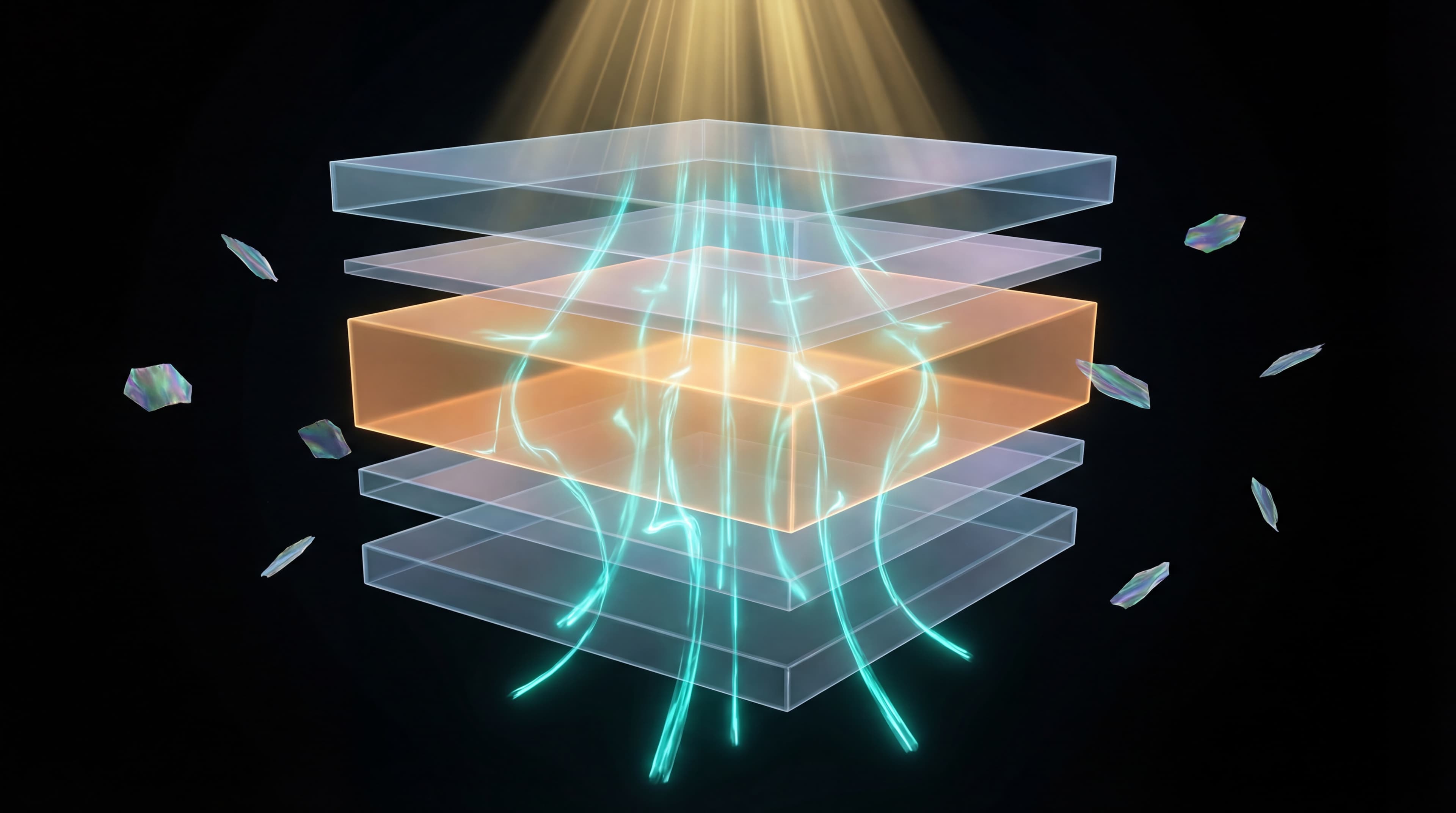
We research next-generation photovoltaic materials including perovskite solar cells and DSSCs. Our work covers MoS₂, TiO₂, ZnO nanocomposite photoelectrode design and polyaniline-based hole transport layer development.

PerovskiteDSSCMoS₂TiO₂Photovoltaic